
About
Sichuan Syens Instrument Co., Ltd. is a national high-tech enterprise integrating development and production, located in Sichuan Province. The company is well-equipped with many senior experts in the fields of electronics, optics, chemistry, machinery, and software. After years of development, the company has grown into a nationally renowned analytical instrument manufacturer. Our products are mainly for the elements analysis in metals and other materials. The main products are high frequency infrared carbon and sulfur analyzer, optical emission spectrometer, and oxygen/nitrogen/hydrogen analyzer. The products combine the advantages of similar foreign products and upgrade the design and innovation. Our products are in a leading position in the domestic industry and win the trust and praise from thousands of users. Besides, Sichuan Syens Instrument Co., Ltd. will initiate the second phase of our development strategy. Our company regards "reasonable prices, efficient production time and good after-sales service" as our tenet. We hope to cooperate with more for mutual development and benefits. https://www.scweihong.com/
Home
It was established on March 25, 2016, located in Deyang Economic and Technological Development Zone, Sichuan Province. The company has a number of senior experts in the fields of electronics, optics, chemistry, machinery and software. It has the ability to produce more than 600 sets of various analytical instruments annually.
Contact
suesu@scsyens.com+86-0838-269-5566
 Metal Processig
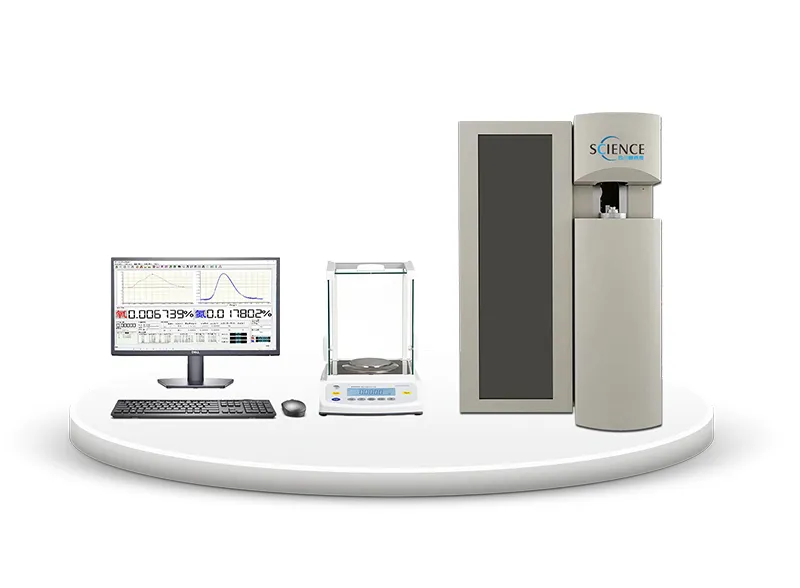
Syens optical emission spectrometer for metal analysis. The metal processing industry, encompassing forging, rolling, machining, and heat treatment, demands high-precision elemental analysis to ensure components meet rigorous standards for strength, ductility, corrosion resistance, and machinability. Impurities like carbon, sulfur, oxygen, nitrogen, or hydrogen, or incorrect alloy compositions, can cause defects like cracking, porosity, or reduced fatigue life, similar to aerospace applications where titanium and steel alloys are tested to prevent embrittlement and ensure reliability in critical components like jet engines and airframes. Syens’ analytical instruments, including the High-Frequency Infrared Carbon Sulfur Analyzer, Full Spectrum Direct Reading Spectrometer, and Oxygen, Nitrogen, and Hydrogen Analyzer, provide rapid, accurate measurements to optimize metal processing workflows and ensure compliance with international standards. Below, we detail their specific applications in metal processing.
High-Frequency Infrared Carbon Sulfur Analyzer
This analyzer employs high-frequency induction furnace combustion and infrared absorption to measure carbon and sulfur content, critical for controlling the mechanical properties and machinability of metals, akin to aerospace requirements for C/S analysis in alloys to ensure workability and durability.
Key Applications in Metal Processing:
Steel Alloys: Quantifies carbon (0.0001–99.99%) and sulfur (0.0001–99.99%) in stainless steel or mold steel during forging, rolling, or heat treatment to optimize hardness, prevent brittleness, and ensure suitability for machined components like gears or shafts.
Non-Ferrous Metals: Analyzes sulfur in copper, nickel, or zinc alloys used in electrical connectors or precision parts to avoid sulfide inclusions that impair conductivity or strength; carbon testing supports quality in aluminum extrusions.
Process Auxiliaries and Scrap: Measures C/S in fluxes, refractories, or recycled scrap to maintain furnace efficiency and ensure consistent alloying during processing.
Benefits: With sensitivity down to 0.1 ppm and accuracy of ≤0.8% RSD, the analyzer delivers results in ≤45 seconds, supporting high-throughput production (up to 60 samples/hour). Features like intelligent dust removal and multi-point correction ensure compliance with ISO 9556 (carbon) and ISO 4935 (sulfur) standards.
Full Spectrum Direct Reading metal spectrometer
This spectrometer provides comprehensive multi-element analysis to verify alloy compositions and detect trace impurities, mirroring aerospace practices for ensuring precise ratios in superalloys for high-performance components.
Key Applications in Metal Processing:
Ferrous Alloys: Quantifies elements like C, Si, Mn, P, S, Ni, Cr, Mo, and V in cast iron, mold steel, or stainless steel for forged or machined parts, ensuring strength, corrosion resistance, and machinability.
Non-Ferrous Alloys: Analyzes Si, Fe, Cu, Mg, Mn, Ni, Pb, Sb, and Bi in aluminum, zinc, copper, or magnesium alloys for rolled sheets, extrusions, or precision components, maintaining quality for lightweight applications.
Recycled Materials: Evaluates scrap metal for consistent alloying, detecting impurities to prevent defects in processed parts.
Benefits: Full-spectrum detection enables rapid, high-resolution profiling of solids and powders, facilitating real-time quality control and adjustments in high-volume manufacturing lines.
Oxygen, Nitrogen, and Hydrogen Analyzer
Gaseous impurities like oxygen, nitrogen, and hydrogen can cause porosity, embrittlement, or reduced ductility in processed metals, similar to aerospace concerns with titanium alloys where ONH analysis prevents cracking and ensures structural integrity.
Key Applications in Metal Processing:
Steel and Iron Processing: Measures O (0.00005–3.0%), N (0.00005–3.0%), and H (0.0005–0.19%) in forged or heat-treated steel to prevent gas entrapment and inclusions, ensuring robust parts for machinery or structural applications.
Non-Ferrous Alloys: Analyzes oxygen in aluminum or copper alloys during rolling or extrusion to avoid oxidation-induced defects; hydrogen detection prevents porosity in magnesium components.
Powder Metallurgy: Tests O/N/H in metal powders for additive manufacturing or sintered parts, ensuring suitability for precision applications like 3D-printed components.
Benefits: Using inert gas fusion at up to 3500°C, this analyzer achieves 1 ppm (O/N) and 0.2 ppm (H) accuracy in 120–240 seconds, with automated sample introduction and compliance with industry standards for reliable, repeatable results.
Syens’ analyzers enhance quality assurance and process efficiency in metal processing, delivering defect-free, high-performance components.
For Metal Spectrometer Price and buy oes metal analyzer, contact us.
As a trustworthy and reliable analytical equipment suppliers, we provide you with elemental analyzer.
 Metallurgy & Metal Smelting
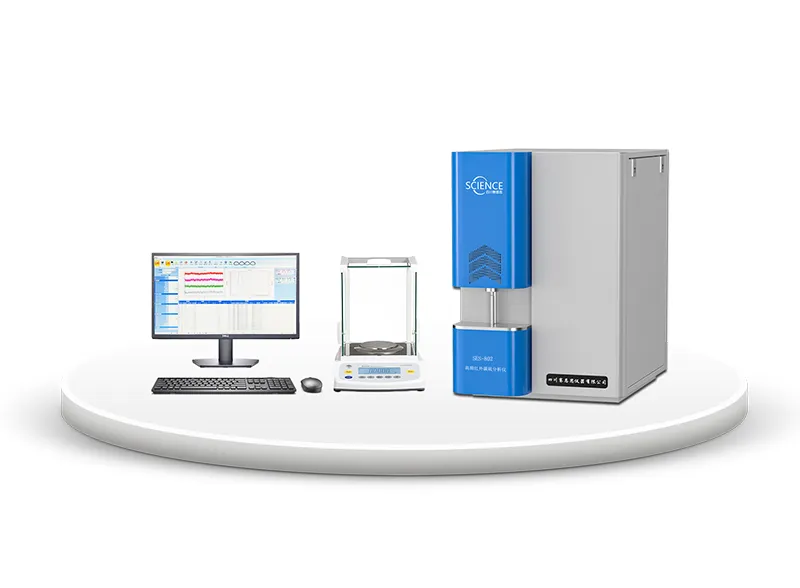
Syens Elemental Analytical Instruments for Metallurgy & Metal Smelting
The metallurgy and metal smelting industry focuses on extracting, refining, and alloying metals to produce high-quality materials for applications ranging from industrial components to aerospace structures. Precise elemental analysis is critical to control impurities and ensure desired mechanical properties, such as strength, ductility, and corrosion resistance, similar to aerospace requirements for titanium and steel alloys where low levels of oxygen, hydrogen, carbon, or sulfur prevent embrittlement and enhance performance. Syens’ analytical instruments provide rapid, accurate measurements of key elements in metals, alloys, and smelting byproducts, supporting quality control, process optimization, and compliance with stringent industry standards. Below, we outline the specific applications of Syens’ key analyzers in metallurgy and metal smelting.
High-Frequency Carbon and Sulfur Analyzer
Carbon and sulfur content significantly influence the hardness, brittleness, and workability of metals like steel and titanium, making precise analysis essential during smelting and alloying, akin to aerospace applications where C/S levels ensure material reliability in high-stress components.
Key Applications in Metallurgy & Metal Smelting:
Ferrous Metals: Measures carbon and sulfur in pig iron, cast iron, and steel alloys to optimize hardness and avoid brittleness during smelting; ensures low sulfur to minimize hot shortness in steel production.
Non-Ferrous Metals: Analyzes sulfur in copper, nickel, or zinc concentrates to prevent sulfide-related defects in refined metals; carbon analysis in smelting fluxes ensures process efficiency.
Metallurgical Auxiliaries: Tests C/S in slag, refractories, and fluxes to monitor smelting byproducts and improve furnace performance.
Benefits: The induction furnace, operating above 2,000°C in a pure oxygen atmosphere with up to four infrared cells, delivers ppm-level accuracy for rapid analysis of solid samples, enhancing smelting quality control.
Full Spectrum Direct Reading Spectrometer
This instrument provides comprehensive multi-element analysis to verify alloy compositions and detect trace impurities, mirroring aerospace practices for ensuring precise ratios in superalloys for jet engines and structural components.
Key Applications in Metallurgy & Metal Smelting:
Ferrous Alloys: Quantifies elements like C, Si, Mn, P, S, Cr, Mo, and V in cast iron, mold steel, and stainless steel to meet specifications for strength and corrosion resistance.
Non-Ferrous Alloys: Analyzes aluminum, copper, nickel, cobalt, and titanium alloys for trace elements (e.g., Fe, Mg, Pb) to ensure purity and performance in smelting outputs.
Raw Materials and Scrap: Evaluates metal concentrates and recycled scrap for consistent alloying, detecting impurities like Sb or Bi that affect final product quality.
Benefits: High-resolution, full-spectrum detection handles diverse sample forms (solids, powders) with rapid results, supporting real-time adjustments in smelting and alloy production.
Oxygen, Nitrogen, and Hydrogen Analyzer
Gaseous impurities like oxygen, nitrogen, and hydrogen can cause embrittlement, porosity, or reduced ductility in smelted metals, similar to aerospace concerns with titanium alloys where ONH analysis prevents cracking and ensures engine safety.
Key Applications in Metallurgy & Metal Smelting:
Steel and Iron-Based Alloys: Measures O/N/H in molten steel or castings to prevent gas entrapment and inclusions, ensuring high-quality billets or ingots.
Non-Ferrous Metals and Alloys: Analyzes oxygen in copper or titanium melts to avoid oxidation; hydrogen detection in aluminum prevents porosity during casting.
Powders and Smelting Inputs: Tests O/N/H in metal powders or rare earth alloys used in powder metallurgy, ensuring suitability for high-performance applications.
Benefits: Using inert gas fusion at up to 3,000°C with flux-assisted melting, this analyzer achieves precise quantification (ppm to 2%) for samples from 100–1,000 mg, ensuring repeatable results compliant with metallurgical standards.
Syens’ analyzers streamline quality assurance and process optimization in metallurgy and metal smelting, delivering reliable results for diverse materials. For tailored consultations or demos, contact a Syens specialist.
If you are looking for a reliable metallurgical analysis company, please contact us.
As a trustworthy and reliable analytical equipment manufacturers, we provide you with analytical instrument.
 Application Scenarios of Elemental Analytical Instruments
Analytical instruments industry
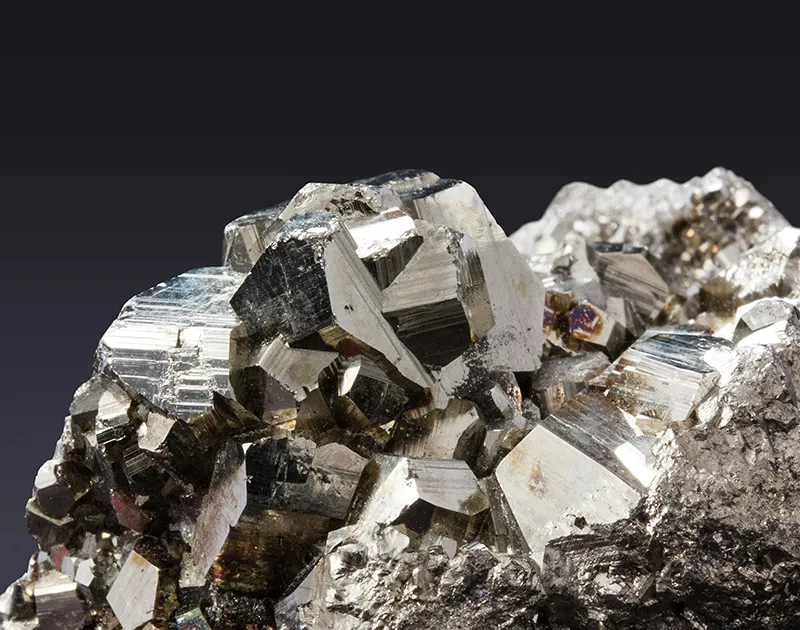
Syens’ advanced analytical instruments, including the high-frequency carbon and sulfur analyzer, full spectrum direct reading spectrometer, and oxygen, nitrogen, and hydrogen analyzer, provide precise and rapid elemental analysis across a wide range of industries, from aerospace and metallurgy to new energy materials and scientific research. These tools ensure material purity and compositional accuracy for applications in minerals, metal smelting, casting, machinery, automobile manufacturing, military, metal processing, third-party testing, and beyond, delivering results compliant with international standards. By analyzing critical elements like carbon, sulfur, oxygen, nitrogen, hydrogen, and alloys in diverse samples (e.g., powders, metals, ceramics), Syens’ solutions optimize performance, safety, and durability, supporting innovation and quality control in demanding sectors such as aerospace component testing and battery material development.
As a trustworthy and reliable analytical instrument manufacturer, we provide you with infrared sulfur analyzer.